A Lincoln LS is not a work truck. It’s a mid-size luxury sedan with a back seat never intended to carry a push mower. Mine carried one anyway — on a sheet of plywood I cut to protect the leather, because even at that age I understood the asset had to survive the job.
That was the entire startup stack of my first company: a mower, a sedan, a piece of plywood, and a neighborhood in Madison, Wisconsin, full of lawns that needed cutting. By the time I finished high school, Green Lawn had more than 100 clients and four employees. No investors, no logo designer, no business plan. Customers first, everything else after.
Twenty-plus businesses, brands, and projects later — apparel, marketing, e-commerce, consumer products — I keep coming back to what that lawn company taught me, because none of it has stopped being true.
Revenue is the only permission you need
I didn’t know what a market analysis was. I knocked on doors, quoted a price, and cut grass the same afternoon. The first customer was validation. The tenth was a business. The fiftieth meant hiring.
Most first-time founders have this backwards. They want the brand, the entity, the website, and the announcement before the first dollar. The market doesn’t care about any of it. The fastest way to find out whether a business exists is to sell something this week. Everything I’ve built since — including the companies I run now — started with the same question: who is the customer, and what will they pay for today?
Service is a moat nobody respects until they have one
Lawn care is a commodity. Any kid with a mower is a competitor. But show up on the day you said, edge the walk without being asked, close the gate so the dog doesn’t get out — and suddenly the switching cost is real. People don’t leave vendors who remove worry from their lives.
A hundred clients didn’t come from a hundred pitches. They came from maybe thirty pitches and seventy referrals. Referrals are what service compounds into. That principle scaled to every company after: the product gets the first sale, the operating standard gets the rest.
Cash discipline beats capital
When your working capital is your own gas money, you learn unit economics fast. Every job had to cover fuel, blade wear, my time, and eventually payroll — or it wasn’t worth taking. I turned down lawns that were too far away. A fifteen-year-old declining revenue because the route density didn’t work is a better education than most business courses.
Bootstrapping isn’t a badge of honor; it’s a forcing function. It makes you price properly, collect promptly, and grow at the speed your operations can absorb.
Delegation is the graduation exam
The hardest transition wasn’t getting clients. It was handing a route to someone else and accepting that a lawn cut at 92% of my standard, done without me, beats a lawn cut at 100% that caps the company at the hours in my day. Four employees taught me to write the process down, inspect what I expected, and pay well enough that showing up mattered to them too.
Every founder hits this wall. The ones who can’t hand over the mower stay self-employed forever.
The plywood principle
The plywood in the Lincoln wasn’t about the car. It was about the mindset: protect the asset, improvise the rest. You will never have the right equipment, the right timing, or the right conditions. The founders who win are the ones who load the mower anyway — and are careful about the few things that actually can’t be replaced: reputation, relationships, and the machine that gets you to the next job.
You don’t need a truck. You need a lawn, a mower, and the willingness to put them together badly until you can do it well.
That’s still my test for every venture, including the ones I run today. Strip the idea down: who’s the customer, what’s the job, can we do it this week, and what’s the plywood — the cheap improvisation that protects what matters while we move?
Twenty years from now the industries will be different again. The back seat lessons won’t be.
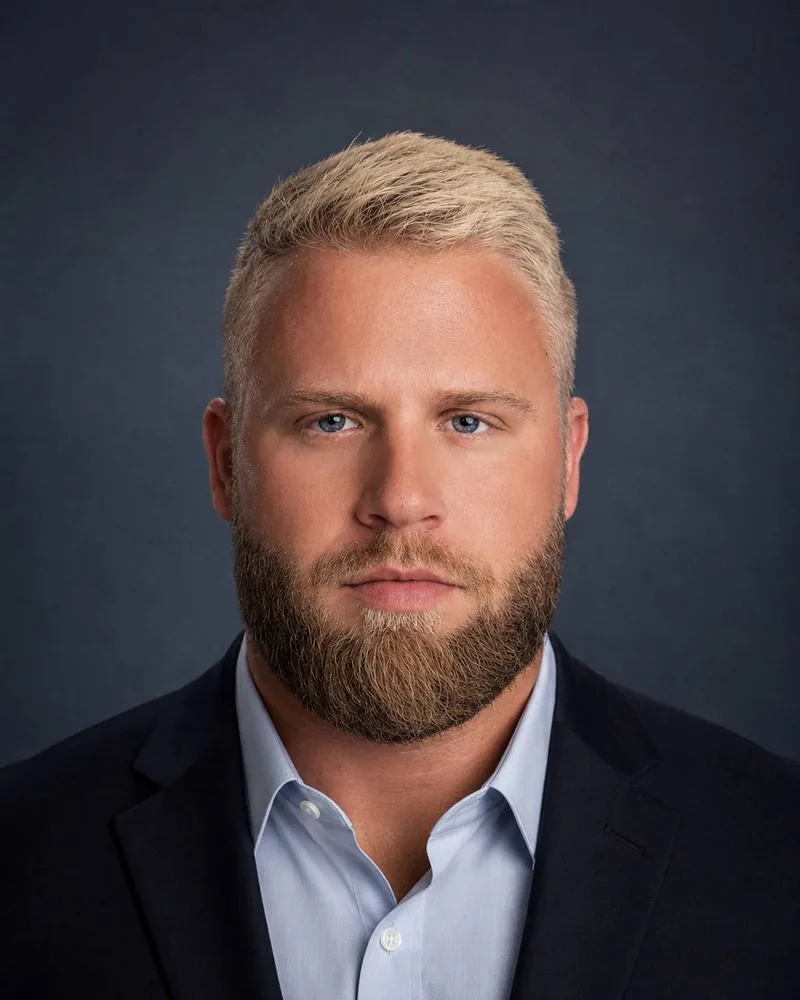
Tyk Sullivan
Serial entrepreneur in Tampa, Florida. Founder of Plutus Capital and NUMEN. More about Tyk →