Private labeling is selling a product that someone else manufactures under your own brand name. The factory makes the thing; you make the thing mean something — the name, the packaging, the standard, the story, the customer relationship. It’s one of the oldest structures in retail and one of the most common: the store brands at every grocer, a huge share of supplements, cosmetics, apparel, tools, and pet products all run on it. The customer buys a brand. The brand buys from a factory. The difference between those two prices is the entire business.
A close cousin worth distinguishing: white labeling is when a manufacturer sells the identical generic product to many brands, each slapping on a name. Private label proper means the product is made to your specification — your formula, your standard, your tweaks. The distinction sounds pedantic and is actually the whole game, as we’ll get to.
How the economics work
The model works because manufacturing and branding are different businesses with different economics. A factory wins on volume, utilization, and unit cost — it wants long runs of predictable product. A brand wins on trust, identity, and distribution — it wants customers who come back and pay for meaning. Private label splits the two cleanly: you buy at something near commodity cost, sell at brand price, and the spread pays for everything in between — packaging, marketing, service, and margin.
And the spread is not a rounding error. Between a bulk commodity price and a branded shelf price there are typically multiples, not percentage points. That delta is precisely the market’s valuation of everything the factory doesn’t do: selection, quality assurance, convenience, identity, and the promise that someone answers when it goes wrong. People who sneer that private-label brands “just resell someone else’s product” have the accounting backwards — the product was always the cheap part. Price lives in the story, and the story is the labor.
TZ Energy: private label at twelve
I ran this model before I knew it had a name. In middle school, my stepdad only ever bought the cheap off-brand soda — giant bottles, bulk pricing, zero prestige. I looked at those bottles and saw inventory. I rebottled it into single-serves, printed my own labels at home — TZ Energy — and sold them to classmates at single-serve prices. Same liquid. New label, new format, new context. The margin was the difference between how his money bought soda and how my customers wanted to buy it: cold, small, branded, now.
Private-label margins, at twelve, in a middle school. The market never checked the factory; the market checked the label — that’s the entire lesson of the model, learned in lunchrooms.
It ended the way all great supply chains end: absurdly. I sold a batch the morning of a school trip, and airport liquid rules met my customer base at security — an entire clientele forced to chug the inventory at the gate. Product-market fit, meet the TSA.
Why brands win — and when they don’t
Same factory, different meaning — that’s the winning case, and it wins because customers aren’t only buying molecules. They’re buying pre-made decisions: someone selected this, vouches for it, stands behind it, and saved them the research. They’re buying identity — what using this brand says. And they’re buying convenience of trust, which is the most underrated product in the world.
Now the failure case, which is most attempts: private label with no differentiation and no audience is just arbitrage with extra steps — the same generic item as forty competitors, distinguished by nothing but a logo nobody asked for, racing to the bottom on marketplace search results. The label was never the brand. The standard is the brand. If nothing about your spec, your quality bar, your service, or your story is genuinely yours, the model has nothing to compound and dies by price war, exactly as it should.
The mechanics, briefly
The modern pipeline is more accessible than any era of retail before it. Sourcing platforms — Alibaba being the giant — put thousands of manufacturers a message away, most of them accustomed to private-label requests and happy to quote. The working sequence: shortlist several factories, order samples from all of them (samples are cheap; skipping them is not), interrogate the differences, and negotiate the minimum order quantity — the MOQ is the real barrier to entry, and it’s almost always more negotiable than the listing implies, especially on a first run.
Then verify like you don’t trust anyone, because you shouldn’t yet: third-party inspection before the shipment leaves, lab testing where the category calls for it, and a written spec sheet the factory signs — the spec sheet is your product; the factory is just renting you its machines. None of this is exotic. It’s emails, samples, and stubbornness. The kids doing it from bedrooms today are running the same play I ran with a home printer and someone else’s soda — the tooling got better; the model never changed.
How to do it credibly
The credible modern path, in the order people skip: Start with a product you personally know deeply — one where you can taste, feel, or measure the difference between fine and excellent, because that judgment is your entire value-add. Spec it better than the incumbent, not equal: real improvements a customer can verify, not adjectives. Put the quality where it can be checked — in categories like supplements that means disclosed doses and third-party testing, where the industry’s trust problem is worst and honesty is a moat. Build the audience before the inventory, because attention is the half of the business the factory can’t sell you. And start smaller than your ego wants — the first run’s job is learning, not retirement.
The line you don’t cross
Private label has a dark twin: pretending. The “proprietary formula” that’s a stock catalog item. The heritage story for a brand born last Tuesday. The implication of a factory that doesn’t exist. It works — briefly — and then the internet does what the internet does, and the discovery doesn’t just kill the product; it reprices everything you’ll ever say afterward.
Remember what the margin actually is: the market’s payment for trust. Fake the trust and you’re not running a brand — you’re short-selling your own name, and that trade has one exit. Disclose what should be disclosed, claim only what you built, and let the standard do the bragging. It’s the entire reason transparency is the hill worth building on.
Same soda, new label, better story. The model hasn’t changed since the lunchroom — the only question is whether your story is true.
The factory makes the product. You make the promise. Price the promise honestly, keep it obsessively, and the oldest trick in retail is also the most durable one.
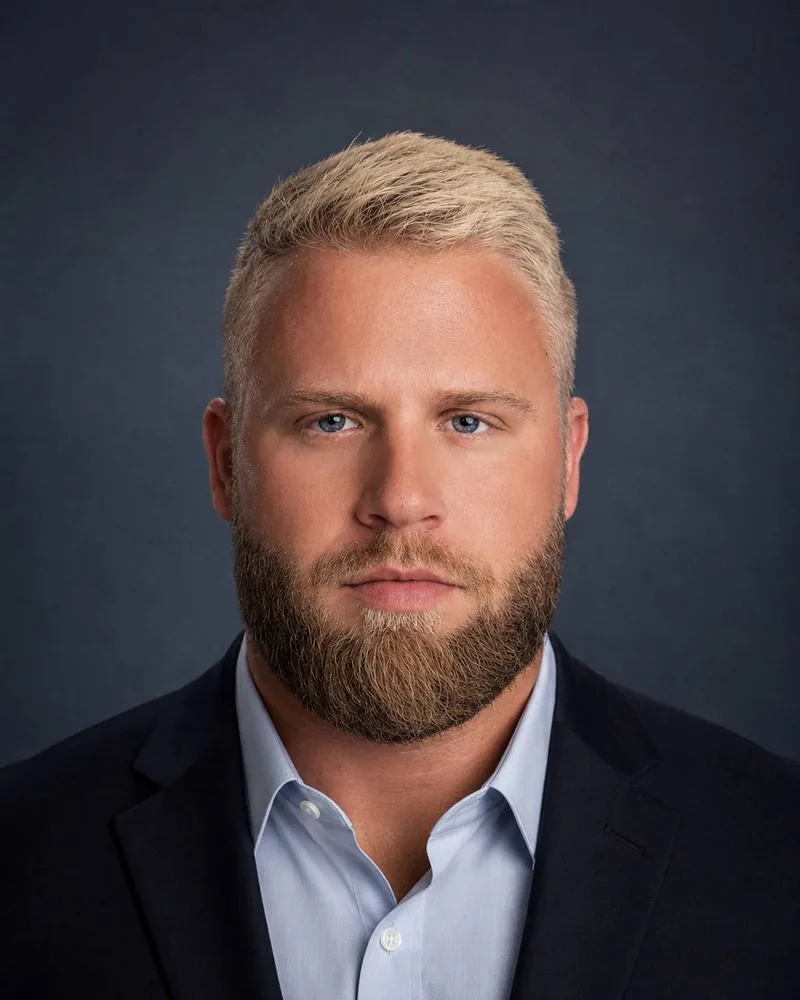
Tyk Sullivan
Serial entrepreneur in Tampa, Florida. Founder of Plutus Capital and NUMEN. More about Tyk →