“Do things that don’t scale” might be the most quoted and least understood sentence in modern business. Paul Graham wrote it as advice to startup founders: in the beginning, do the manual, unprofitable-per-hour things — recruit users one at a time, onboard them by hand, answer every message yourself — because that’s how fragile new things survive.
Here’s what it actually means, one layer deeper: the unscalable things buy you the two assets money can’t — learning and love. Every manual interaction is market research you’d otherwise pay for, and every act of disproportionate care converts a customer into a distributor. The part almost everyone gets wrong is the timeline. They treat unscalable effort as scaffolding to tear down as fast as possible. The businesses people actually love never fully tear it down. They industrialize it.
What the phrase actually means
In practice, doing things that don’t scale looks embarrassingly small. Delivering the first orders yourself. Writing the thank-you by hand. Calling a customer to ask what almost stopped them from buying. Fixing one user’s problem at midnight when a help-desk article would have technically covered it. Spending an hour on a customer worth twenty dollars.
The spreadsheet hates all of it. Per hour, it’s the worst-paid work in the company. But early on, you’re not being paid in dollars — you’re being paid in information and reputation, and the exchange rate on both is highest at the start. The founder who does support for the first thousand customers doesn’t just make a thousand people happy; he learns exactly where the product breaks, what words customers use, and what they’d miss if it vanished. Nobody can brief that into you later. You either collected it by hand or you don’t have it.
The founders who lived it
The canon examples are famous for a reason. The Airbnb founders flew to New York and photographed hosts’ apartments themselves, one listing at a time, because better photos meant bookings and no photographer was coming to save them. Stripe’s founders became legendary for what Graham called the Collison installation: ask a founder if they’d try Stripe and, instead of sending a link, take their laptop and set it up on the spot. DoorDash’s founders did the deliveries themselves in the early days — the CEO answering support and driving orders while classmates assumed it was a class project.
Notice what all three bought with the manual labor: not revenue — the per-hour math was a joke — but certainty about what customers actually experience, at a resolution no dashboard provides. Billion-dollar companies, and the foundation layer was a founder doing a task any intern could technically do, badly scaled and perfectly informed.
Notice also what none of them did: none of it was growth hacking. It was care, applied personally, before the company was owed any.
The misread: a phase to outgrow
The common reading is chronological: do unscalable things until you can afford not to, then automate everything and graduate. That reading builds companies that get worse as they get bigger — and customers feel the exact moment it happens. The handwritten note becomes a templated email. The founder’s reply becomes a ticket number. Every efficiency is rational, and the sum of the rational decisions is a brand nobody would miss.
Watch what customers actually do and you see the deeper truth: anyone can copy your product. Factories are rentable, code is replicable, ads are an auction anyone can enter. What can’t be copied is “the founder called me twenty minutes after I emailed.” The unscalable layer is precisely the part of the business with no supplier, no API, and no competitor — which makes it the worst thing to delete and the best thing to protect.
There’s a name for what accumulates when you automate the care away: brand debt. Every templated reply, every phone tree, every “your call is important to us” is a small withdrawal from an account no dashboard tracks. No single withdrawal shows in the metrics — support costs fall, tickets close faster, the quarter looks great. Then one day a competitor with worse features and better manners starts taking your customers, and everyone acts shocked. Nobody should be. The customers weren’t leaving the product. They were leaving the treatment. Efficiency compounds — but so does its debt, and the interest bills later under a different line item, usually labeled “churn.”
Unscalable is the moat
Run the arithmetic on care. A hundred pitches might win you thirty customers. Treat those thirty disproportionately well and they recruit the next seventy for free — my first company grew past a hundred clients on exactly that math, referrals compounding off service that made no hourly sense. Word of mouth is just unscalable care, converted into distribution, at zero marginal cost. It’s the only marketing channel that gets cheaper as it grows.
I learned the shape of this early. As a kid running lawns, I drove thirty-some minutes across the metro — interstate both ways — to cut one loyal client’s yard. Route economics said drop them. I kept the route. That drive was the brand: the client who knows you’ll come is a client who never shops the competition, and loyalty runs both directions or it doesn’t run at all.
That’s what the phrase is really pointing at: what you can’t scale is what builds the brand — and eventually, the brand is what scales.
How to institutionalize care
The mature move isn’t choosing between handcrafted and scaled. It’s deciding which unscalable rituals survive growth on purpose. A few patterns that work:
Keep one manual touch per customer, forever. A real signature, a check-in call, a first-order note. One is enough. Its job is to be unmistakably human.
Put founders and executives on the front line on a schedule. Not as theater — as sensor maintenance. The day leadership stops touching customers is the day the company starts navigating by rumor.
Measure what the care produces. Not response time — response quality. The standard is one question: would the customer tell someone about this interaction? Care that nobody would mention is cost. Care that gets repeated at dinner is distribution.
Let the unscalable stay unprofitable locally. The 40-minute drive never pencils on its own line. It pencils at the brand level. Judge it there.
When to actually scale
None of this romanticizes inefficiency. The discipline is knowing what you’re scaling: scale the delivery, never the care. Automate the repetitive eighty percent — the shipping updates, the invoices, the password resets — precisely so the human twenty percent stays affordable. Automation’s highest purpose isn’t replacing the personal touch; it’s funding it.
The test before deleting any manual ritual: does this touch produce learning or love? If neither, kill it without sentiment. If either, it’s not overhead — it’s the product. Early on you do these things because you have no money. The trick is still doing them when you do.
Scale is not the opposite of care. Scale is what happens when enough people have been treated like they matter.
Do the things that don’t scale. Then build a company where they never have to stop.
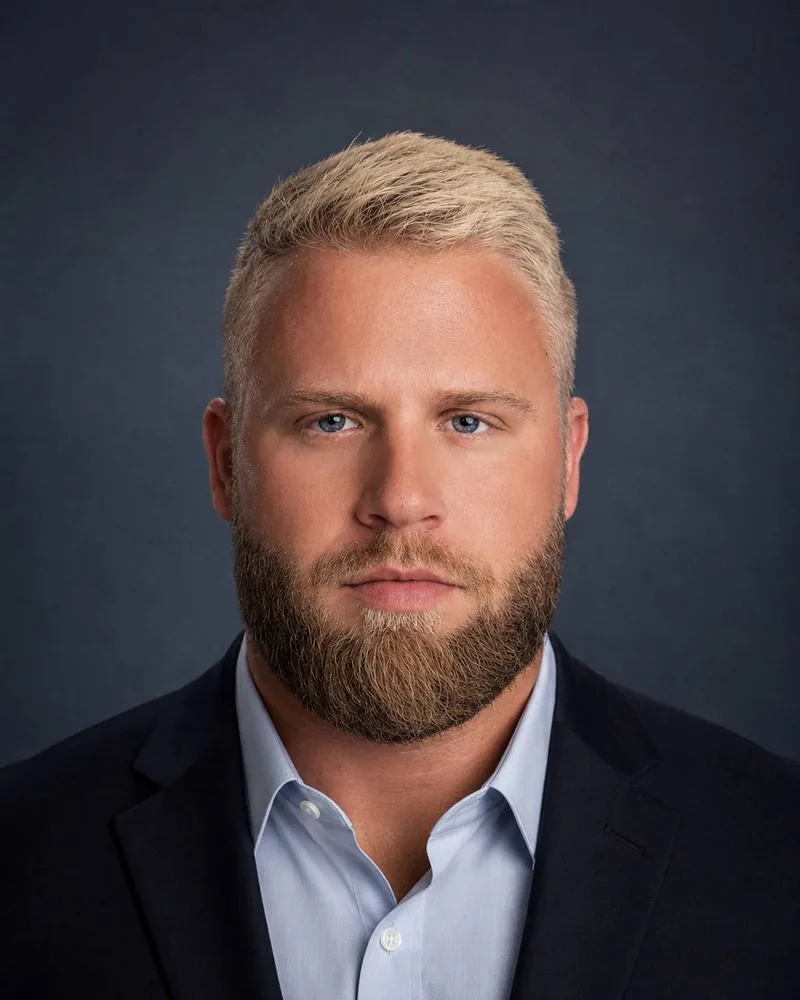
Tyk Sullivan
Serial entrepreneur in Tampa, Florida. Founder of Plutus Capital and NUMEN. More about Tyk →